
Most Studio Ghibli fans know Hayao Miyazaki as a filmmaker first. They know Spirited Away, Princess Mononoke, My Neighbor Totoro, and Howl’s Moving Castle. But fewer fans have read his manga work beyond Nausicaä of the Valley of the Wind.
So, has Miyazaki done any manga other than Nausicaa? Yes. Miyazaki created several manga, illustrated stories, and sketch-based narrative works outside Nausicaä. Some are obscure, some are difficult to find in English, and some sit between manga, picture book, and visual essay.
Explore manga inspired by Miyazaki’s legacy and discover new favorites on ManhwaClan. This guide looks at Miyazaki not only as a director, but as a visual storyteller whose manga work shaped the themes, worlds, and images later seen in his films.
Why Most Fans Only Know Nausicaa?
There is a simple reason most fans connect Miyazaki with only one manga: Nausicaä of the Valley of the Wind is the one that received the most international attention. It was translated, collected, discussed, and directly connected to one of his most important early films.
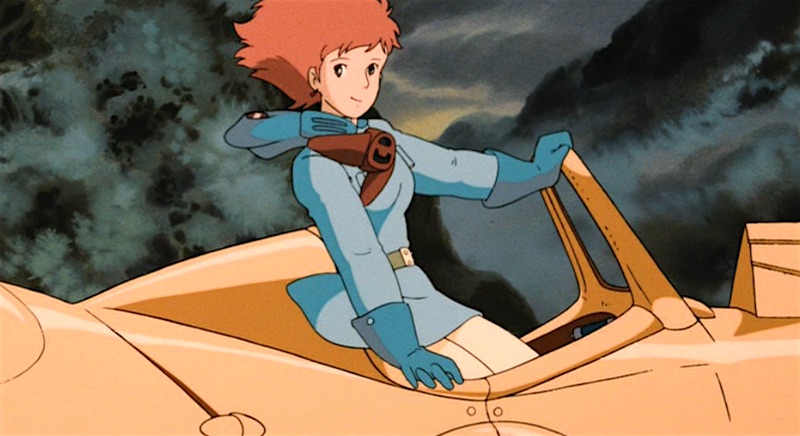
Studio Ghibli also dominates Miyazaki’s public image. When people talk about him, they usually talk about animation: moving images, music, characters, backgrounds, and the handmade magic of Ghibli films. His manga output is smaller and less accessible, so it naturally sits in the shadow of his film career.
Another reason is translation. Several of Miyazaki’s non-Nausicaä works were unavailable or difficult to access in English for many years. Some were magazine pieces, some were illustrated essays, and some were published in formats that did not fit neatly into the international manga market.
This creates a major blind spot in Ghibli fandom. If you only know Miyazaki through films, you may miss how many of his ideas were tested first through drawing, panels, sketchbooks, and hybrid visual narratives.
Nausicaä: The Benchmark
Nausicaä of the Valley of the Wind remains the benchmark for Miyazaki as a manga creator. It ran from 1982 to 1994 and was collected into seven volumes. For many readers, it is not simply a side project by a film director. It is one of the central works of his career.
The manga follows Nausicaä, a princess living in a post-apocalyptic world damaged by war, pollution, toxic forests, giant insects, and political conflict. While the 1984 anime film is famous, it only captures part of the manga’s full scope.
The manga is darker, denser, and more politically complex. It explores ecology, war, empire, faith, scientific arrogance, and the moral burden of leadership in a way the film cannot fully contain.
For researchers of Miyazaki’s legacy, Nausicaä functions like a master key. It shows many of his recurring concerns in their most concentrated form: environmental collapse, anti-war ethics, strong female protagonists, ambivalent technology, and the tragic beauty of ruined worlds.
Nausicaä is one of the clearest examples of how differently a story can be told in manga vs anime format. What is the difference between manga and anime breaks down exactly why.
The Journey of Shuna — His Most Underrated Work
The Journey of Shuna, also known as Shuna no Tabi, is one of Miyazaki’s most important works outside Nausicaä. It was published in 1983 and is often described as an emonogatari, or illustrated story. It sits somewhere between manga, picture book, and graphic novel.
The story follows Prince Shuna, who leaves his dying land in search of golden grain that can save his people from hunger. The plot is simple on the surface, but its atmosphere is deeply Miyazaki: lonely travel, strange landscapes, exploitation, sacrifice, nature, and a young protagonist carrying the fate of a community.
The visual style is very different from Nausicaä. Instead of black-and-white manga pages, Shuna uses watercolor illustrations. The result feels quieter, more mythic, and more like a painted folktale than a conventional serialized manga.
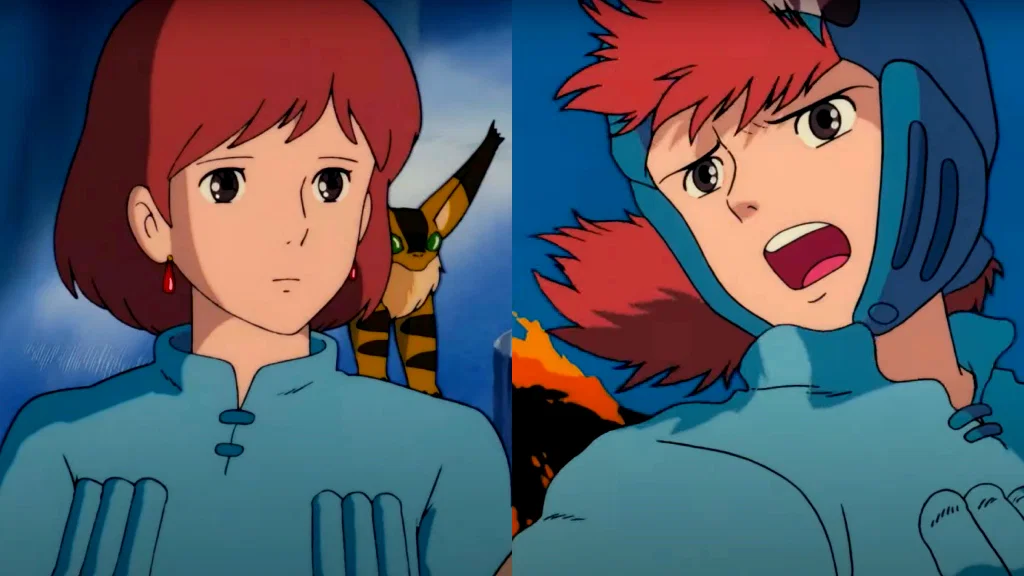
The work is often discussed because it foreshadows later Miyazaki films, especially Princess Mononoke. Shuna’s journey, his mount, the atmosphere of ancient landscapes, and the search for survival all feel like early sketches of ideas Miyazaki would later develop more fully in animation.
For readers studying Miyazaki’s creative evolution, The Journey of Shuna is essential. It shows him working in a mode that is not quite film, not quite manga, and not quite children’s book. That in-between quality is exactly what makes it so revealing.
Sabaku no Tami — His Early Manga Foundation
Sabaku no Tami, often translated as People of the Desert or The Desert Tribe, is one of Miyazaki’s earliest original manga-related works. It was serialized from 1969 to 1970 under the pseudonym Akitsu Saburō.
This work is important because it shows Miyazaki before the full Ghibli image existed. The story is set in a desert-like Central Asian world and deals with conflict, survival, occupation, rebellion, and human cruelty under pressure.
Even in this early work, readers can see themes that later become central to Miyazaki’s career. War is not glamorous. Power corrupts. Young people are forced to act inside violent systems they did not create. Landscapes are not just backgrounds; they shape the moral atmosphere of the story.
People of the Desert is not as polished or widely celebrated as Nausicaä, but its historical value is enormous. It reveals Miyazaki’s desire to become a manga storyteller and shows how his political and anti-war imagination existed long before Studio Ghibli became a global symbol.
Its limited availability is one reason it remains obscure. For many international fans, it is more of a research object than an easy recommendation. But for anyone studying Miyazaki’s artistic roots, it is one of the clearest windows into his early narrative thinking.
Daydream Data Notes — His Most Personal Manga Work
Hayao Miyazaki’s Daydream Data Notes, also known as Miyazaki Hayao no Zassō Nōto, may be his most personal manga-adjacent work. It was published irregularly in Model Graphix, a magazine focused on scale models, aircraft, vehicles, and military hardware.
This series is very different from Nausicaä or Shuna. It is not a single continuous story with a clear hero. Instead, it is a mixture of annotated manga, illustrated essays, mechanical fantasies, historical fragments, and personal obsessions.
Aircraft, tanks, ships, engines, uniforms, and military machines fill the pages. Yet the work is not simple celebration of war technology. Miyazaki’s lifelong tension is visible here: he is fascinated by machines, but deeply critical of militarism and destruction.
That contradiction is one of the keys to understanding him. His films often contain beautiful aircraft, elegant machines, and thrilling flight scenes, but they also question war, nationalism, greed, and industrial violence.
Daydream Data Notes is valuable because it shows Miyazaki thinking on paper. It feels less like a commercial manga project and more like a private laboratory where he explores machinery, memory, history, and imagination.
Miyazaki’s manga career shows just how diverse the relationship between manga and anime can be. Are all animes based on manga explores this connection across the broader industry.
Hikōtei Jidai and the Road to Porco Rosso
One of the most interesting pieces connected to Daydream Data Notes is Hikōtei Jidai, often associated with Porco Rosso. This short manga work reflects Miyazaki’s love of flying boats, early aviation, Mediterranean atmosphere, and strange romantic melancholy.
For film fans, this is especially important because it shows how an idea can move from illustrated pages into cinema. Porco Rosso did not appear from nowhere. It grew from the same mental landscape found in Miyazaki’s aircraft drawings, annotated sketches, and flying-machine fantasies.
This is why Miyazaki’s manga work matters even when it is short or fragmentary. It often contains seeds. Sometimes those seeds become films. Sometimes they remain sketches. But they reveal how his imagination moves from page to screen.
How Miyazaki’s Manga DNA Shaped His Films
Miyazaki’s manga and illustrated works shaped his films in several ways. The first is visual pacing. His storyboards often feel like manga pages expanded into motion. He thinks in frames, gestures, glances, landscapes, and transitions.
The second is world-building. His manga worlds are dense with ecology, machines, politics, and history. This same density appears in films like Princess Mononoke, Castle in the Sky, and The Wind Rises.
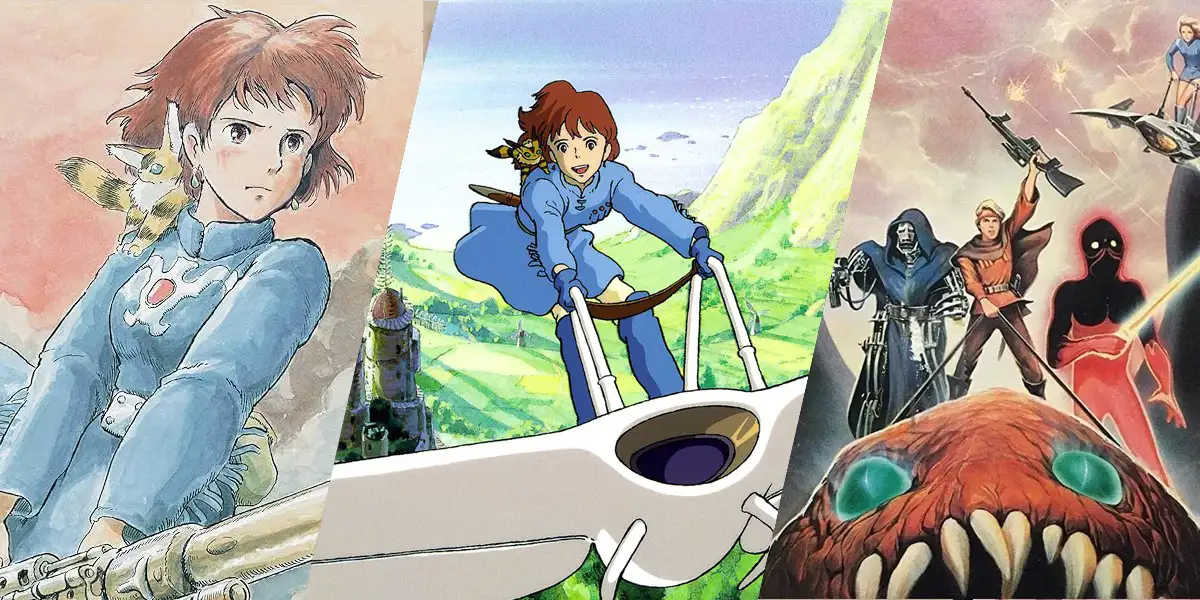
The third is thematic repetition. Flight, environmental crisis, strong girls and women, damaged worlds, ambiguous machines, and anti-war feeling move across his manga and films like a continuous current.
The fourth is experimentation. Manga gave Miyazaki room to test ideas without the full machinery of film production. A sketch, a page, or a short illustrated story could hold a future film’s atmosphere years before the film existed.
Looking at Miyazaki only as a director is therefore incomplete. His manga work is smaller in quantity, but it is deeply connected to the architecture of his films.
FAQs
Has Miyazaki Done Any Manga Other Than Nausicaa?
Yes. Miyazaki created several manga and illustrated works beyond Nausicaä, including The Journey of Shuna, People of the Desert, Daydream Data Notes, and other short manga or illustrated pieces connected to his personal interests.
Is The Journey of Shuna worth reading?
Yes. The Journey of Shuna is especially worth reading for fans of Princess Mononoke, Nausicaä, and Miyazaki’s quieter mythic storytelling. It is short, visually beautiful, and important for understanding his creative development.
When was The Journey of Shuna translated to English?
The Journey of Shuna received an official English release in 2022, translated by Alex Dudok de Wit and published by First Second.
Why did Miyazaki stop making manga?
Miyazaki did not completely stop drawing, but animation became the center of his career. Directing films, creating storyboards, and working within Studio Ghibli consumed most of his creative time.
Is Miyazaki’s manga style different from other mangaka?
Yes. Miyazaki’s manga often feels closer to illustrated literature, storyboard art, or visual essays than standard commercial manga. His pages can be dense, atmospheric, and filled with ecological or mechanical detail.
Which Miyazaki manga is most similar to his films?
The Journey of Shuna may feel closest to his later films because it contains many ideas that echo Princess Mononoke and Nausicaä. Hikōtei Jidai is also important because of its connection to Porco Rosso.
Conclusion
So, has Miyazaki done any manga other than Nausicaa? Yes. His manga and illustrated works include far more than many Ghibli fans realize.
Nausicaä remains the masterpiece, but The Journey of Shuna, People of the Desert, Daydream Data Notes, and related short works reveal different sides of Miyazaki’s imagination. One shows myth, one shows early political adventure, one shows machines and personal obsession, and one shows the path toward later films.
To understand Miyazaki fully, you have to see him not only as an anime director, but as an artist who thinks through drawing. His manga may be less famous than his films, but it is part of the same creative legacy. To discover more manga and visual storytelling inspired by that legacy, visit ManhwaClan.

I’m Mina Miller, a blog writer at ManhwaClan. I write about manhwa, manga, webtoons, and trending comic topics to help readers discover new stories and enjoy their favorite series more.