
Ask a casual fan where anime stories come from, and many will answer: manga. It is an understandable assumption. Some of the biggest anime in history, from One Piece to Naruto, Demon Slayer, and Jujutsu Kaisen, began as manga.
But are all animes based on manga? No. Manga is one of the most important sources for anime, but it is not the only one. Anime can also come from light novels, visual novels, video games, web novels, Korean manhwa, Chinese manhua, and completely original scripts written directly for animation.
Whether you prefer reading the source material or jumping straight into anime, ManhwaClan has thousands of manga and manhwa titles to explore. This guide breaks down where anime really comes from and why the “all anime comes from manga” idea is one of the biggest misconceptions in the fandom.
The Short Answer: No, Not All Anime Are Based on Manga
Not all anime are based on manga. Manga is a major source of anime adaptations, but the anime industry uses many kinds of source material.
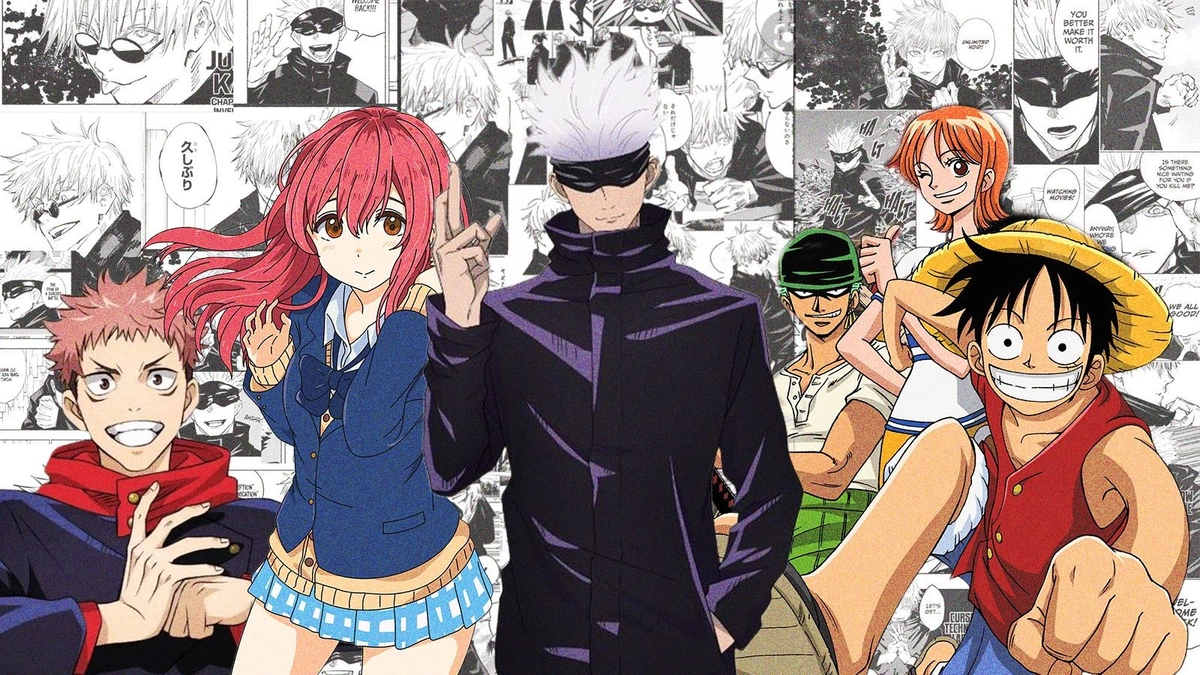
A rough industry-style breakdown often looks like this:
- Manga adaptations: the largest category, often estimated around 40% or more depending on the sample.
- Light novel adaptations: especially common in fantasy, romance, school, and isekai anime.
- Original anime: anime created directly for the screen with no prior manga source.
- Visual novel and video game adaptations: common in romance, mystery, action, and franchise anime.
- Web novel, manhwa, and manhua adaptations: a growing category, especially as Korean webtoons become more global.
The important point is simple: manga may be the most visible source, but anime is a broader media industry. It adapts successful stories from many places and also creates original stories from scratch.
Why People Think All Anime Come From Manga
The misconception exists because the most globally recognizable anime are often manga adaptations. Dragon Ball, Naruto, Bleach, One Piece, Attack on Titan, Demon Slayer, and Jujutsu Kaisen all strengthened the link between manga and anime in international fandom.
Marketing also reinforces this connection. When an anime becomes popular, publishers often promote the manga heavily. Fans who finish an anime season may hear, “Continue the story in the manga.” Over time, this makes manga feel like the default source for everything.
Light novels and visual novels are less visible to many international fans. Even when an anime is based on a light novel, casual viewers may not realize it because the anime looks similar to manga adaptations on screen.
There is also confirmation bias. If a fan loves a popular anime and later discovers it has a manga, they may assume that every anime works the same way. But that is not true across the industry.
This misconception comes partly from how closely manga and anime are associated. What is the difference between manga and anime breaks down their relationship in more detail.
The Full Breakdown: Where Anime Really Comes From
| Source Type | How It Works | Common Examples |
|---|---|---|
| Manga | Japanese comics adapted into animation | One Piece, Demon Slayer, Jujutsu Kaisen |
| Light Novel | Japanese prose fiction adapted into anime | Re:Zero, Sword Art Online, Overlord |
| Original Anime | Created directly for animation with no prior source | Cowboy Bebop, Code Geass, Madoka Magica |
| Visual Novel | Interactive story games adapted into anime | Fate/stay night, Clannad, Steins;Gate |
| Video Game | Game franchises adapted into anime | Pokémon, Persona 4, Danganronpa |
| Manhwa or Manhua | Korean or Chinese comics adapted into animation | Solo Leveling, Tower of God, The God of High School |
| Web Novel | Online fiction adapted into novels, manga, manhwa, or anime | That Time I Got Reincarnated as a Slime, Solo Leveling |
Manga remains popular as source material because it already provides visual references. Character designs, panel composition, major scenes, and story arcs are already there. This makes manga easier to adapt compared with a pure text source.
Light novels are different. They provide story, dialogue, and internal thoughts, but the anime team has to create more of the visual identity from scratch.
Original anime is different again. There is no source material to follow, which gives the creative team freedom but also creates more commercial risk.
Original Anime: When There Is No Source Material
An original anime is created directly for animation. It is not based on a manga, light novel, visual novel, or game. The anime itself is the first version of the story.
This gives original anime a major advantage: the story can be designed for motion, sound, timing, and episode structure from the beginning. The creators do not need to compress manga chapters or decide what to cut from a novel.
Original anime also avoids one common problem: source material spoilers. If there is no manga or novel ahead of the anime, everyone discovers the story at the same time.
The risk is commercial. A manga adaptation often begins with an existing fanbase. An original anime has to build that fanbase from zero. If the marketing fails or the first episodes do not hook viewers, the project can struggle.
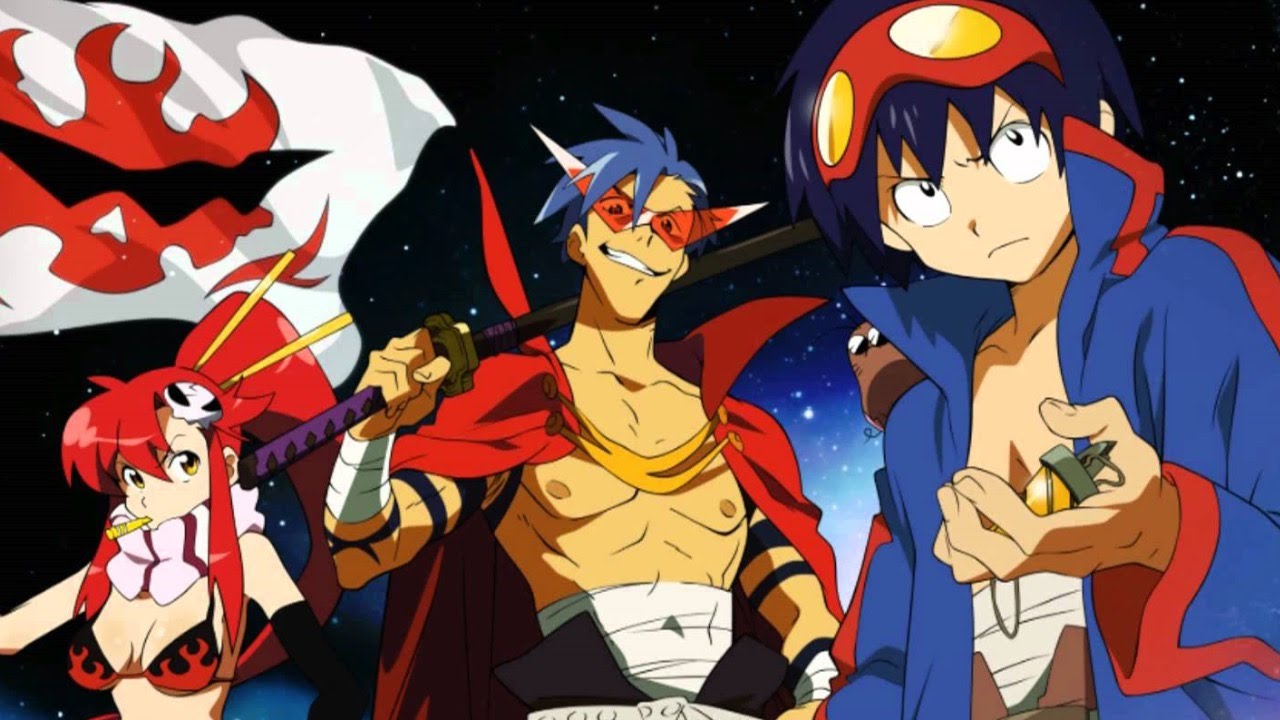
Still, some of the most influential anime are originals. Cowboy Bebop, Neon Genesis Evangelion, Code Geass, Puella Magi Madoka Magica, and Gurren Lagann prove that anime does not need a manga source to become legendary.
Light Novels: The Underrated Source
Light novels are a huge source of anime, especially in modern fantasy, school romance, comedy, and isekai. A light novel is a Japanese prose book usually written for teen or young adult readers, often with anime-style illustrations.
Many international fans underestimate light novels because they are less visible than manga. Manga panels spread easily online, while light novels require translation and longer reading time.
However, some of the biggest anime hits come from light novels. Sword Art Online, Re:Zero, Overlord, Spice and Wolf, and The Melancholy of Haruhi Suzumiya all show how important light novels are to the anime ecosystem.
Adapting a light novel is different from adapting manga. The anime team must turn prose into visual scenes. Internal narration may need to become dialogue, acting, direction, or visual symbolism.
This can be difficult, but it can also be powerful. A good adaptation can make a text-heavy story more accessible to a wider audience.
Solo Leveling itself started as a web novel before becoming a manhwa and then anime. What is Solo Leveling about traces this kind of multi-format journey through story, characters, and powers.
The Rise of Manhwa as Anime Source Material
One of the most important recent changes is the rise of Korean manhwa and webtoons as anime source material. Titles such as Tower of God, The God of High School, and Solo Leveling introduced many anime viewers to stories that did not begin as Japanese manga.
Manhwa is attractive to the anime industry because many webtoons already have strong international readership. They are digital, easy to share, and often built around bold visual hooks.
Full-color panels can also help with adaptation planning. Character designs, atmosphere, and action beats are already visually established, even if the vertical scroll format creates challenges.
That format is one of the biggest adaptation issues. Webtoons are designed for phones and vertical reading. Anime is horizontal, timed, and scene-based. A studio must rethink framing, pacing, and transitions to make the story work on screen.
Even with those challenges, manhwa-to-anime adaptations are likely to keep growing. The global success of Korean webtoons has made them valuable intellectual property for animation, games, merchandise, and live-action projects.
Does Source Material Quality Affect Anime Quality?
Good source material helps, but it does not guarantee a good anime. A strong manga or novel can still receive a weak adaptation if the pacing, animation, direction, or production schedule is poor.
The reverse is also true. Some anime adaptations improve the source material by adding better pacing, stronger music, more emotional voice acting, or more dynamic action.
Adaptation quality depends on many factors: studio, director, budget, schedule, episode count, scriptwriting, animation team, and how much respect the production gives to the original work.
A manga with excellent art may be hard to adapt because the anime cannot match the detail. A light novel with deep internal monologue may be hard to adapt because the anime must externalize thoughts visually.
This is why source material is only one part of the equation. The best anime adaptations understand what made the original work powerful, then translate that power into animation rather than simply copying scenes.
Why Manga Is Still the Most Common Source
Manga remains one of the most common anime sources because it is already visual. A manga gives the production team character designs, expressions, key scenes, settings, action flow, and story pacing.
Manga also provides a proven audience. If a manga sells well, ranks highly, or goes viral, investors can feel more confident that an anime adaptation has built-in demand.
Anime adaptations can also boost manga sales. This creates a media cycle: manga becomes popular, anime adapts it, anime brings new fans, and those fans buy or read the manga.
That does not mean every manga gets an anime. Only a small portion of manga titles are selected for adaptation. Popularity, marketability, merchandise potential, production timing, and publisher strategy all matter.
FAQs
Are all animes based on manga?
No. Not all anime are based on manga. Anime can be based on manga, light novels, visual novels, video games, web novels, manhwa, manhua, or original scripts written directly for animation.
What percentage of anime comes from manga?
The percentage changes depending on the year, sample, and how data is counted. Manga is usually the largest single source category, and some industry-style samples place manga adaptations around 40% or more of TV anime.
What are some famous anime not based on manga?
Famous original anime include Cowboy Bebop, Neon Genesis Evangelion, Code Geass, Puella Magi Madoka Magica, and Gurren Lagann.
What is the most common source material for anime?
Manga is one of the most common and visible sources for anime, but light novels are also extremely important, especially in modern fantasy, romance, school, and isekai anime.
Are any anime based on Korean manhwa?
Yes. Solo Leveling, Tower of God, and The God of High School are well-known examples of Korean manhwa or webtoon properties adapted into anime.
Why do so many anime come from manga?
Manga is popular source material because it already has visuals, characters, story arcs, and a fanbase. This lowers creative and commercial risk compared with creating a completely new anime from scratch.
Conclusion
So, are all animes based on manga? No. Manga is a major source of anime, but it is only one part of a much larger ecosystem.
Anime can come from manga, light novels, original scripts, visual novels, video games, web novels, manhwa, and manhua. Understanding this makes it easier to follow the source material, avoid wrong assumptions, and appreciate how different adaptations work.
If you want to explore the manga and manhwa behind your favorite anime, visit ManhwaClan and discover the stories that inspire animation across the industry.

I’m Mina Miller, a blog writer at ManhwaClan. I write about manhwa, manga, webtoons, and trending comic topics to help readers discover new stories and enjoy their favorite series more.