
If you have read enough manga, you may have noticed that small dots often appear beside Japanese characters at the exact moment a line becomes important. They are rarely random. In many cases, those dots are doing the same job as a close-up panel, a sudden pause, or a sharp shift in tone.
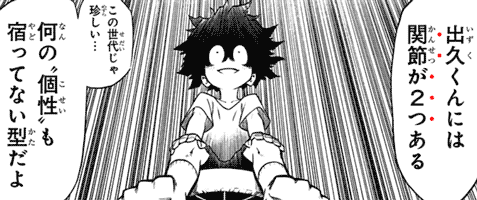
So, what do dots next to Japanese characters mean in manga? These marks are usually called boten, or emphasis dots. They are a Japanese typographic tool used to stress specific words, guide the reader’s rhythm, and add emotional weight to a scene.
If you want to experience these subtle storytelling techniques firsthand, ManhwaClan has thousands of titles waiting for you. This guide takes a deeper look at how boten works, why mangaka use it, and why translations often struggle to preserve its full effect.
The Technical Name: What Are These Dots Called?
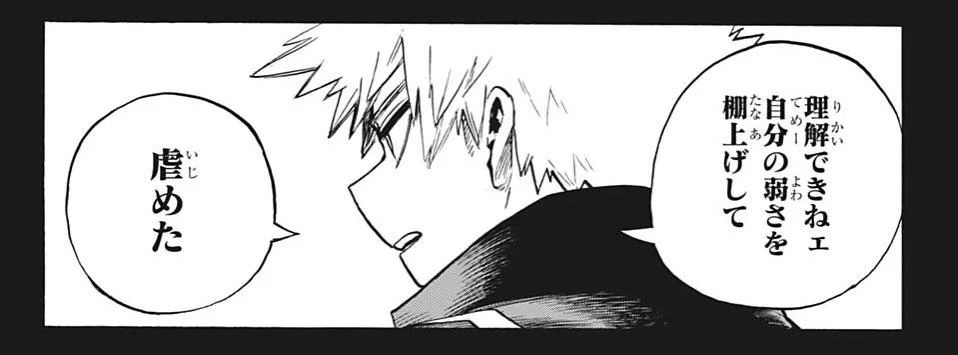
The small dots next to Japanese characters are officially called boten, written as 傍点. In English, they are often described as emphasis dots, side dots, or sometimes accent marks, though “accent marks” can be misleading because boten does not change pronunciation.
In vertical Japanese text, boten usually appears beside the characters, often on the right side. In horizontal Japanese text, it may appear above the characters. Since manga commonly uses vertical speech bubbles, readers often see these dots running alongside kanji or kana.
Boten is not exclusive to manga. It also appears in Japanese novels, essays, magazines, and other printed materials. The basic purpose is consistent: it marks a word or phrase as important and tells the reader to give it extra attention.
In English, writers might use bold, italics, underlining, or capital letters to stress a word. Japanese can use boten for a similar purpose, but the visual feeling is different. Because the dots sit near each character, the emphasis becomes part of the shape and rhythm of the sentence.
This is why experienced manga readers notice boten so quickly. It is not just decoration. It is a typographic signal that changes how the line should be read.
How Boten Differs From Other Japanese Text Marks
One reason beginners get confused is that Japanese manga uses many small marks around text. Some affect meaning, some affect sound, and some guide pronunciation. Boten is only one part of that system.
Boten are emphasis marks. They stress meaning, tone, or emotional importance. They do not change how the word is pronounced.
Furigana, written as 振り仮名, are small kana placed near kanji to show pronunciation. If a kanji is difficult, unusual, or has a special reading, furigana tells the reader how to say it.
Dakuten, written as ゛, are voiced sound marks. They change kana sounds, such as turning か into が.
Handakuten, written as ゜, are semi-voiced marks. They appear with certain kana and change sounds such as は into ぱ.
Odoriji, such as 々, are repetition marks. They replace repeated kanji instead of writing the same character twice.
The fastest way to distinguish boten from furigana is to look at shape and function. Furigana looks like small kana characters and tells you pronunciation. Boten looks like dots or small marks and tells you emotional or narrative emphasis.
This difference matters because manga often layers multiple systems together. A single panel may contain kanji, furigana, sound effects, unusual font size, and boten all at once. Once you understand each layer, the page becomes much richer.
The Psychology Behind Emphasis Dots
Mangaka do not use boten randomly. It is usually a deliberate visual decision. A word with boten tells the reader, “Do not pass over this too quickly.”
Boten creates a small interruption in reading rhythm. Your eye naturally pauses because the text looks different. That pause can make a line feel heavier, sharper, colder, or more dramatic.
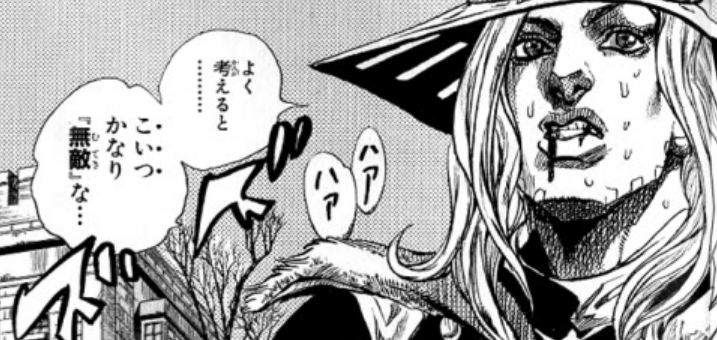
In emotional scenes, boten can make a single word feel painful. In mystery scenes, it can point toward a clue. In battle manga, it can highlight a key technique or rule. In horror manga, it can make a quiet sentence feel threatening.
Boten also interacts with panel composition. If a speech bubble is surrounded by white space and one word inside it has emphasis dots, that word can feel almost louder than the rest of the page. The silence around it gives the emphasis more force.
Western comics use similar tools, but not in the same way. Bold lettering, ALL CAPS, italics, and enlarged text can all create emphasis. Boten is more subtle. It does not always shout. Sometimes it whispers with pressure.
When Do Mangaka Use Emphasis Dots?
Mangaka use emphasis dots in many situations, but they are especially common when a word carries more meaning than it seems on the surface.
Dramatic Reveals
Boten often appears when a hidden truth is finally spoken. The dots tell the reader that this is not ordinary information. The word may connect to a twist, a secret identity, a betrayal, or a clue that changes the scene.
Threats and Warnings
Villains or dangerous characters may speak with boten when issuing a warning. The effect can make the line feel colder and more controlled. Instead of shouting, the character sounds certain.
Emotional Breakdown
When a character reaches an emotional limit, emphasis dots can mark the one word they cannot ignore. The dots may show anger, fear, denial, grief, or desperation.
Key Terminology
In fantasy, battle, supernatural, or sci-fi manga, boten may highlight an important term in the power system. This tells readers that the word is not just flavor text. It may matter later.
Irony and Sarcasm
Boten can also create irony. A character may stress a polite word while clearly meaning the opposite. In these cases, the dots help readers hear the sarcasm behind the line.
These visual nuances are part of what makes manga a uniquely powerful storytelling medium. What is the difference between manga and anime explores why these techniques rarely survive the transition to animation in the same form.
How Translators Handle Emphasis Dots
Translation makes boten difficult because English does not have an exact equivalent. A translator cannot simply place dots beside every emphasized word and expect English readers to understand the convention naturally.
The most common solution is bold text. If the original Japanese emphasizes a word with boten, the English version may make that word bold to preserve the force of the line.
Italics are another common option. They are often used when the emphasis is softer, more emotional, or more internal.
ALL CAPS may be used when the emphasis is loud, aggressive, or explosive. However, this can make a line feel stronger than the original, so good translators use it carefully.
Underlining is less common in modern manga translation, but it can appear in some editions or fan translations.
Sometimes translators ignore boten completely. This may happen because the emphasized word sounds unnatural in English, because the sentence has been rewritten, or because the letterer wants to keep the bubble clean. But when boten is removed, part of the original reading rhythm can disappear.
Official translations often prioritize natural English flow, while fan translations may preserve more visible emphasis from the Japanese page. Neither approach is automatically perfect. The best choice depends on the scene, tone, and how important the emphasis is to the story.
Miyazaki’s manga works are a masterclass in Japanese visual storytelling. Has Miyazaki done any manga other than Nausicaa explores his lesser-known works where visual narrative details matter deeply.
Reading Manga Raw: Why Boten Matters More
When you read manga in Japanese, boten becomes easier to appreciate because it remains part of the page’s original design. You can see exactly which word the mangaka wanted to stress.
In translation, that emphasis may be changed into bold, italic, punctuation, or nothing at all. The general meaning may survive, but the visual feeling can shift.
Boten also works together with other typographic choices. Font size, stroke weight, bubble shape, spacing, and panel composition can all layer emphasis. A word with boten inside a jagged speech bubble feels different from a word with boten inside a quiet, empty panel.
For advanced readers, noticing boten can improve interpretation. It can reveal which word a character is emotionally attached to, which concept the author wants remembered, or which phrase carries hidden tension.
If you want to start reading raw manga, begin by learning kana, then common kanji, then speech-bubble patterns. You do not need to understand every word immediately. Even noticing marks like boten, furigana, and sound effects can help you understand how the page is guiding your eye.
FAQs
What are the small dots next to Japanese text in manga called?
The small dots are usually called boten, or emphasis dots. They are placed beside or above Japanese characters to stress a word or phrase.
Do emphasis dots change the meaning of Japanese words?
Boten does not change the dictionary meaning or pronunciation of a word. Instead, it changes how the word is read emotionally. It adds stress, tension, importance, or dramatic weight.
Why do some manga use dots while others use bold text?
Japanese manga often uses boten as part of its native typography. English translations may replace boten with bold text because English readers understand bold emphasis more easily.
Are emphasis dots used in anime subtitles?
Not usually. Anime subtitles may use italics, punctuation, capitalization, or wording changes to show emphasis. Since anime has voice acting and sound, it does not rely on boten in the same way manga does.
Do Korean manhwa use the same emphasis system as manga?
Korean manhwa does not use Japanese boten in the same traditional way. Manhwa often uses font size, color, spacing, bold text, sound effects, and visual layout to create emphasis instead.
How do I know which words have emphasis dots in translated manga?
You may not always know. A translated manga might show the emphasis through bold, italics, capitalization, or sentence structure. In some cases, the original boten may be removed entirely during translation.
Conclusion
So, what do dots next to Japanese characters mean in manga? They are usually boten, a Japanese emphasis system used to guide attention, shape reading rhythm, and add emotional force to important words.
For casual readers, boten may look like a small visual detail. For experienced manga readers, it is part of the language of the page. It can make a threat colder, a confession heavier, a reveal sharper, or a joke more precise.
To notice these storytelling details in action, explore manga and manhwa on ManhwaClan and pay attention to how text, panels, and visual marks work together.

I’m Mina Miller, a blog writer at ManhwaClan. I write about manhwa, manga, webtoons, and trending comic topics to help readers discover new stories and enjoy their favorite series more.