
Many people hear the word shoujo and immediately think of flowers, sparkles, school crushes, and soft romance. Those elements can appear in shoujo manga, but they do not define the entire category. In reality, shoujo is one of manga’s most emotionally rich and historically important demographics.
So, what is shoujo manga? Shoujo manga refers to Japanese comics primarily marketed toward teenage girls, but that does not mean only girls can read it. Shoujo can include romance, fantasy, horror, sci-fi, mystery, magical girls, historical drama, and coming-of-age stories.
You can discover shoujo titles and much more across every genre on ManhwaClan. This guide breaks down what shoujo really means, where it came from, why it is often misunderstood, and why readers of any gender can enjoy it.
What “Shoujo” Actually Means
The word shoujo comes from the Japanese 少女, meaning “young girl” or “girl.” It is usually pronounced “show-joe,” not “shoo-joe.”
The most important thing to understand is that shoujo is a demographic, not a strict genre. That means it describes the target audience a manga is marketed toward, not the exact type of story being told.
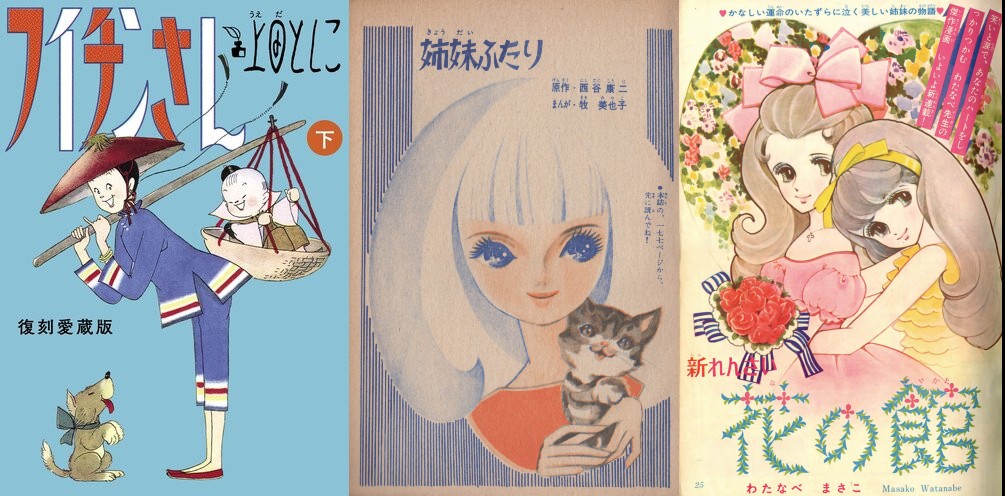
This is where many misunderstandings begin. People often use shoujo as if it simply means romance manga, but that is not accurate. Romance is common in shoujo, but shoujo itself can cover many genres.
A shoujo manga can be a magical girl adventure, a supernatural mystery, a historical epic, a psychological drama, a school comedy, or a fantasy quest. What connects these works is not always the plot. More often, it is the emotional focus, character perspective, and storytelling style.
So when someone asks what is shoujo manga, the best answer is this: shoujo is manga created mainly for teenage girl readers, but its themes, emotions, and stories can appeal to anyone.
The Origins of Shoujo Manga
Shoujo manga began developing in Japan in the mid-20th century as magazines for young female readers became more common. Early works often focused on family, friendship, school life, and sentimental drama.
In the beginning, many shoujo manga were created by male artists. These works helped build the category, but they often portrayed girls and young women through a limited outside perspective.
The major transformation came in the 1970s with a group of women mangaka often called the Year 24 Group. Creators such as Moto Hagio, Riyoko Ikeda, and Keiko Takemiya expanded what shoujo manga could do.
They introduced more psychological depth, experimental layouts, complex emotion, gender exploration, tragedy, historical drama, and early boys’ love themes. This period changed shoujo from something often dismissed as simple girls’ entertainment into one of the most innovative spaces in manga.
In the 1980s and 1990s, shoujo reached a wider global audience through iconic works such as Sailor Moon, Cardcaptor Sakura, and Fruits Basket. These titles helped prove that stories aimed at young female readers could become worldwide cultural phenomena.
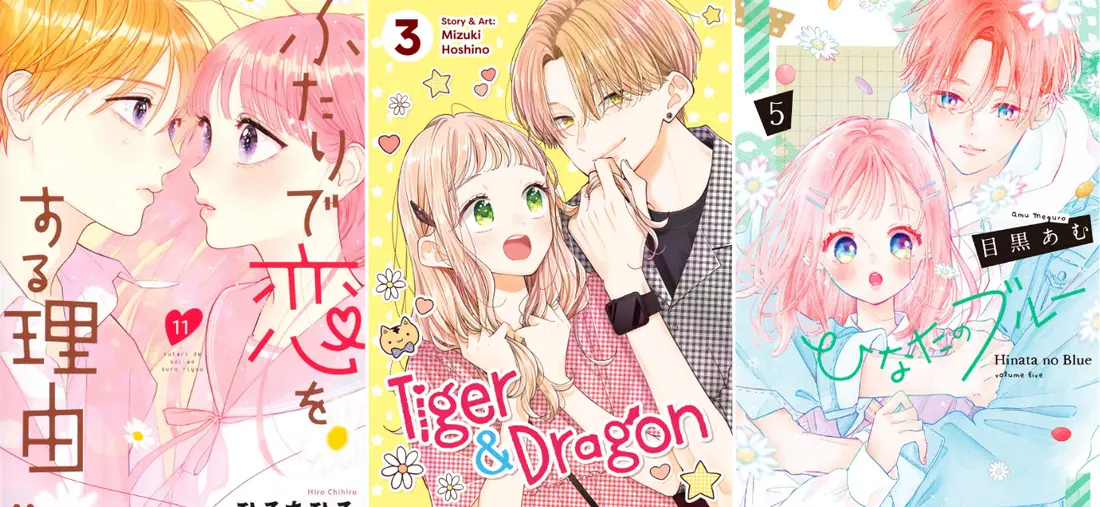
Today, shoujo continues to evolve through print, digital manga, and web platforms. The category is still connected to emotion and relationships, but modern creators often challenge old tropes and explore more diverse stories.
What Actually Defines Shoujo Content
Shoujo manga is often associated with romance, but the deeper defining trait is emotional interiority. Shoujo tends to care deeply about what characters feel, fear, misunderstand, desire, and hide from themselves.
Instead of focusing only on external events, shoujo often spends more time inside the character’s emotional world. A small glance, a pause in conversation, or a misunderstood sentence can matter as much as a battle in an action manga.
Relationships are usually central, but they are not always romantic. Shoujo manga often explores friendship, family, rivalry, found family, self-worth, identity, grief, jealousy, healing, and personal growth.
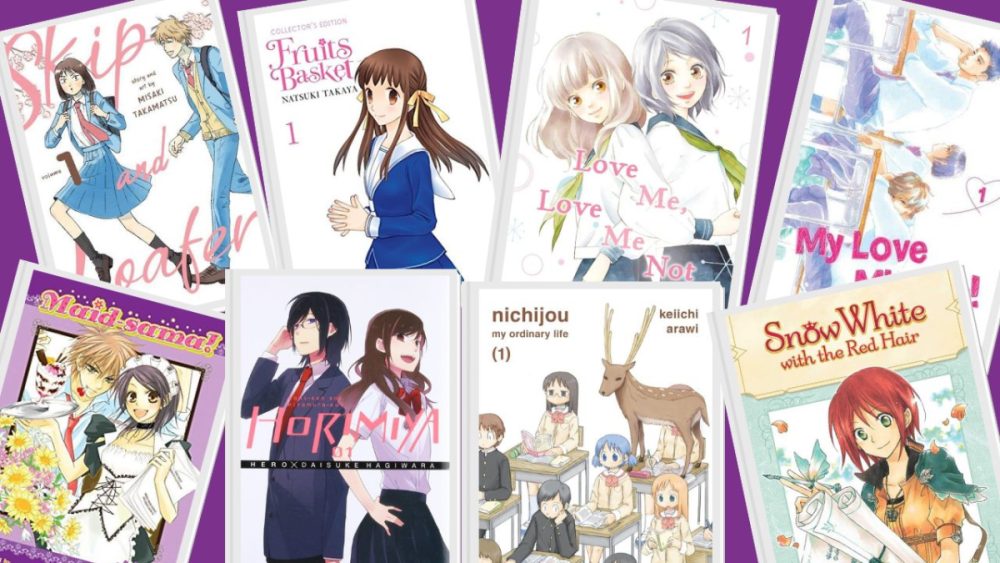
Visually, shoujo has its own language. Large expressive eyes, floral backgrounds, decorative effects, soft textures, open white space, and fluid panel layouts are all common. These choices are not just pretty decoration. They help express mood and emotion.
Panel layouts in shoujo can feel less rigid than in action-heavy manga. Panels may overlap, dissolve into each other, or leave large empty spaces to create atmosphere. This gives shoujo a dreamlike rhythm when used well.
That is why shoujo is often misunderstood by readers who only judge it by surface aesthetics. The flowers and sparkles are not the point. They are part of a visual system built to show emotion.
Shoujo vs Every Other Demographic
| Demographic | Target Audience | Core Appeal | Typical Themes |
|---|---|---|---|
| Shoujo | Teen girls | Emotional depth | Love, growth, self-discovery, relationships |
| Shonen | Teen boys | Action and ambition | Friendship, battles, goals, power |
| Josei | Adult women | Mature realism | Adult relationships, career, life pressure |
| Seinen | Adult men | Complexity and intensity | Realism, philosophy, violence, psychology |
| Kodomomuke | Children | Simplicity and fun | Adventure, friendship, humor, learning |
These categories are useful, but they are not walls. A shoujo manga can have action. A shonen manga can have romance. A seinen manga can be gentle. A josei manga can be funny and light.
The boundaries between demographics are increasingly blurry, especially as digital publishing changes how readers discover stories. Many readers now choose manga based on mood, theme, art style, or character writing rather than magazine category.
Many readers who love shoujo eventually migrate toward josei titles. Manga like Apothecary Diaries is a perfect bridge list between emotional storytelling, mystery, historical settings, and more mature character dynamics.
Famous Shoujo Series That Defined the Genre
Sailor Moon
Sailor Moon helped redefine the magical girl genre for a global audience. It combines friendship, romance, destiny, action, transformation, and emotional growth in a way that made shoujo feel powerful and iconic.
Cardcaptor Sakura
Cardcaptor Sakura is often remembered for its beauty and charm, but its emotional storytelling is just as important. It handles friendship, love, identity, and innocence with warmth and careful pacing.
Fruits Basket
Fruits Basket begins with a supernatural family curse, but its real strength is trauma, healing, forgiveness, and emotional recovery. It shows how shoujo can deal with pain in a deeply compassionate way.
Ouran High School Host Club
Ouran High School Host Club uses comedy to parody romance tropes, class differences, gender performance, and elite school fantasy. It is playful, but also smarter than it first appears.
Kimi ni Todoke
Kimi ni Todoke is a strong example of slow emotional storytelling. Its romance is gentle, but the real focus is communication, insecurity, friendship, and learning how to be seen by others.
Yona of the Dawn
Yona of the Dawn proves that shoujo can be epic fantasy and political adventure. It follows a princess forced into exile who slowly becomes stronger, wiser, and more capable.
Why Men Should Read Shoujo Too
Shoujo is not only for girls. That idea limits readers for no reason. A good story about love, fear, insecurity, ambition, friendship, or healing can speak to anyone.
One of shoujo’s greatest strengths is emotional intelligence. It often asks readers to pay attention to subtle feelings, miscommunication, social pressure, and personal vulnerability. These are not “girl problems.” They are human problems.
Male readers who only read action-heavy manga may find shoujo refreshing because it uses a different kind of tension. Instead of asking “who will win the fight,” shoujo often asks “will these people understand each other before it is too late?”
Character writing in shoujo can be extremely nuanced. A good shoujo series can make a small emotional choice feel as intense as a battle scene. That skill is worth appreciating regardless of gender.
Shoujo also translates differently to anime than manga. What is the difference between manga and anime explains why visual rhythm, panel flow, and emotional pacing can change in adaptation.
Shoujo Tropes: The Good, The Bad, The Overused
Like every manga demographic, shoujo has tropes. Some are beloved, some are outdated, and some depend entirely on execution.
Slow burn romance is one of the strongest shoujo tropes. When done well, it gives readers time to understand both characters and feel every small shift in their relationship.
Found family is another powerful trope. Many shoujo stories give characters a place to belong after loneliness, trauma, or social rejection.
Female friendship can also be one of shoujo’s best strengths. Strong shoujo manga often treats friendship as emotionally important, not just background support for romance.
However, some older tropes can feel problematic now. Pushy love interests are sometimes framed as romantic when they should be treated more critically. Female rivalry can also become shallow when women are written only as competitors for male attention.
Misunderstandings are overused, but they remain effective when they reveal real insecurity or emotional fear. They become frustrating only when characters avoid obvious conversations for too long without good reason.
Modern shoujo often works best when it understands these tropes and actively subverts them. Instead of repeating old formulas, many newer titles give female leads more agency, healthier relationships, and more complex emotional arcs.
FAQs
What does shoujo mean in Japanese?
Shoujo means “young girl” or “girl” in Japanese. In manga publishing, it refers to manga primarily marketed toward teenage girls.
Is shoujo manga only for girls?
No. Shoujo manga is marketed toward teenage girls, but anyone can read and enjoy it. Many shoujo stories explore universal themes such as love, friendship, identity, loneliness, and healing.
What is the difference between shoujo and shonen?
Shoujo is mainly marketed toward teenage girls and often focuses on emotional depth and relationships. Shonen is mainly marketed toward teenage boys and often emphasizes action, ambition, rivalry, and friendship.
What is the most popular shoujo manga ever made?
Sailor Moon, Fruits Basket, Cardcaptor Sakura, and Kimi ni Todoke are among the most famous and influential shoujo manga globally.
Is shoujo manga the same as romance manga?
No. Romance is common in shoujo, but shoujo is not the same as romance. Shoujo can include fantasy, horror, comedy, mystery, action, sci-fi, and historical drama.
What age group reads shoujo manga?
Shoujo manga is traditionally aimed at teenage girls, often around middle school to high school age. However, many adults and readers of all genders enjoy shoujo manga as well.
Conclusion
So, what is shoujo manga? It is a manga demographic aimed mainly at teenage girls, but it is far more diverse than the stereotype suggests. Shoujo is not just sparkles, flowers, and school romance.
At its best, shoujo is one of manga’s strongest spaces for emotional storytelling. It explores identity, connection, vulnerability, friendship, love, trauma, and growth with a visual language all its own.
Anyone can read shoujo. If you want stories with emotional depth, memorable characters, and a different kind of narrative tension, visit ManhwaClan and start exploring shoujo and many other manga genres today.

I’m Mina Miller, a blog writer at ManhwaClan. I write about manhwa, manga, webtoons, and trending comic topics to help readers discover new stories and enjoy their favorite series more.